Lock Replacement Guide: When & Why to Change Your Locks
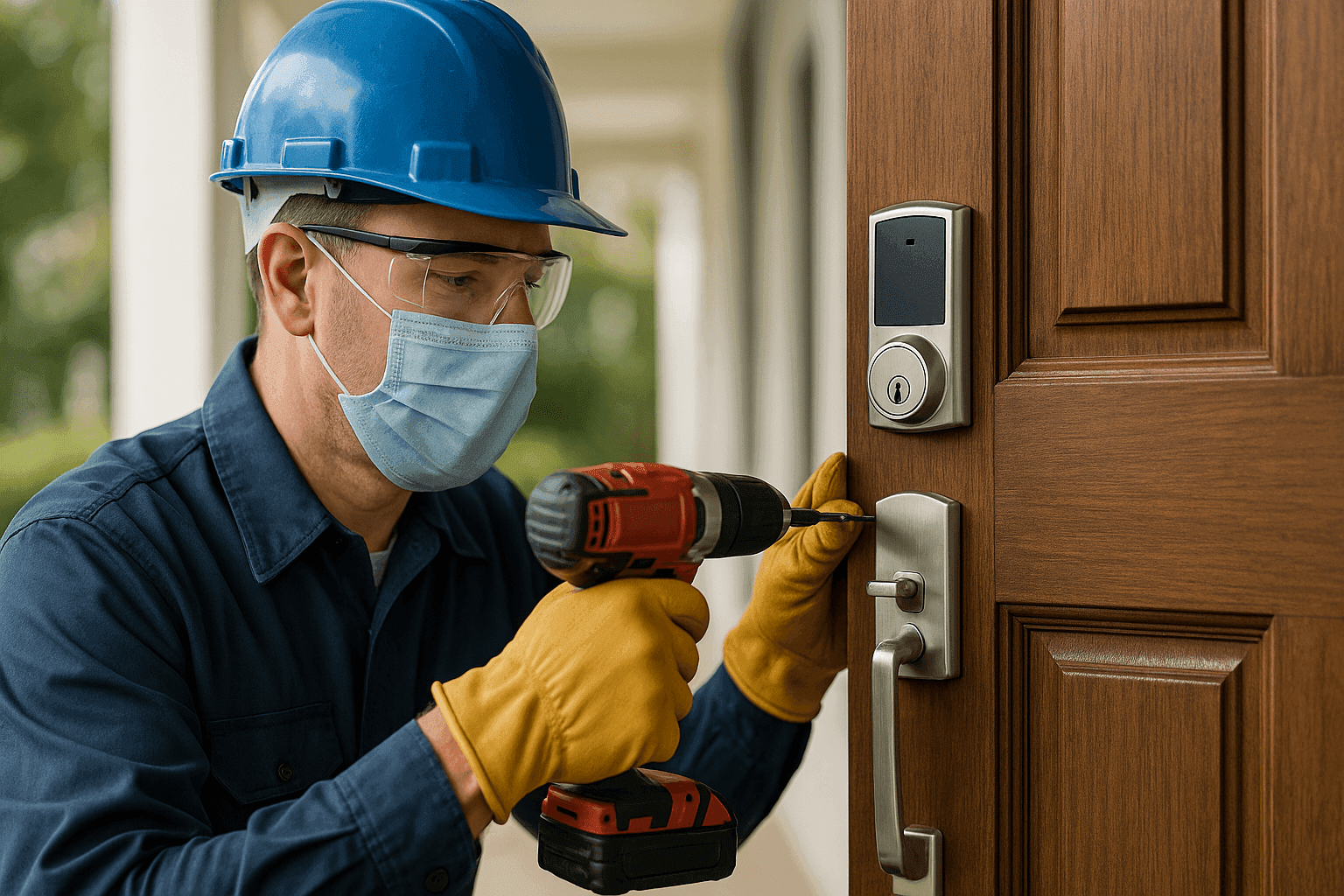
Every lock tells a story. Sometimes it’s about a fresh start in a new home. Other times, it’s about the chaos of lost keys or the aftermath of a break-in. No matter the reason, changing your locks is about more than just turning a key—it’s about reclaiming peace of mind.
At 1st Avenue Locksmiths, we know that security isn’t just about metal and tumblers. It’s about trust, safety, and making sure your doors close on worry, not opportunity. If you’re on the fence about lock replacement, this guide will light the way—step by step.
When Should You Replace Your Locks?
There are moments when replacing your locks isn’t just a good idea. It’s necessary. Here are some common triggers that signal it’s time for a change:
- Lost Car Keys or House Keys: If keys vanish, there’s no telling whose hands they might end up in.
- Moving Into a New Place: Previous tenants, homeowners, or workers may still have copies.
- After a Break-In or Burglary: Security has been compromised. Upgrading locks restores control.
- Old, Damaged, or Rusty Locks: Locks wear out, just like shoes. If yours stick, jam, or rattle, it’s time.
- Upgrading Security: Technology moves fast. Outdated locks can’t always keep up with modern threats.
- Change in Occupancy: New roommates, tenants, or employees? New locks keep access in the right hands.
- Malfunction or Frequent Jamming: If you’re struggling with your lock, don’t wait for it to fail completely.
Think of your locks like your home’s handshake—if it feels weak or uncertain, it’s time to strengthen your grip.
Quick Safety Checklist 🔐
Before you decide on your next move, take a moment to walk through your property. Here’s what to look for:
- Are any doors hard to lock or unlock?
- Do you hear scraping, grinding, or clicking noises?
- Are your locks loose, wobbly, or visibly damaged?
- Has it been years since you changed or upgraded your locks?
- Do you know exactly who has keys to your property?
- Are there signs of forced entry or tampering, like scratches or bent hardware?
- Are your locks compatible with current insurance or safety standards (such as BS3621 for the UK, or ANSI Grade 1/2 in the US)?
If you’re nodding to any of these, it might be time to act.
What Kind of Locks Are Out There?
Not all locks are created equal. Here’s a quick rundown of the main types you’ll find on most properties:
- Deadbolts: The workhorse of home security. Available in single and double cylinder models.
- Digital & Smart Locks: Keyless entry, codes, or even smartphone control. Ideal for busy households or businesses.
- Euro Cylinder Locks: Common on UPVC doors and used widely in modern properties.
- Mortice Locks: Cut into the door itself—often used on older homes and commercial buildings.
- Rim Locks/Yale Locks: Surface-mounted. Popular for quick-access doors.
- Window Locks: Secures vulnerable entry points beyond just doors.
- Cabinet & Postbox Locks: Small, but vital for sensitive information.
- Padlocks: Portable and versatile. Good for gates, sheds, or lockers.
- High-Security Locks: Anti-pick, anti-drill, and anti-bump features for advanced protection.
Each type comes with its own strengths and weaknesses. The best lock for your property depends on your needs, the threat level, and the style of your doors and windows.
Signs It’s Time for Replacement
How do you know your locks are past their prime? Watch for these warning signs:
- Visible Wear: Tarnished, corroded, or chipped locks are easier for intruders to break.
- Difficulty Turning: If you need to jiggle or force the key, internal parts may be worn or misaligned.
- Outdated Technology: Older locks may lack features like anti-snap or bump resistance.
- Loose Fittings: Handles or lock bodies that rattle or wobble aren’t secure.
- Frequent Lockouts: Regularly getting locked out could mean your lock is failing.
- Missing Keys or Unknown Copies: If you can’t account for all keys, security is compromised.
Rekeying vs. Full Lock Replacement
You don’t always have to replace the entire lock. Sometimes, rekeying is enough. But what’s the difference?
What is Rekeying?
Rekeying means changing the internal pins or tumblers so old keys no longer work. The lock stays, but the key changes. It’s often cheaper and quicker than full replacement. Great for situations like moving in, after employee turnover, or if you want a master key system.
When to Replace Completely
Full replacement is necessary if:
- The lock is damaged or worn out
- You want to upgrade to a higher-security model
- The lock type doesn’t match your new keys or security system
- You need to comply with updated building codes or insurance requirements
Still unsure? Think of rekeying as changing the combination on your safe. Full replacement is like buying a brand-new safe.
DIY vs. Call a Professional Locksmith 🛠️
Some folks love a good challenge. Swapping out a basic doorknob? Maybe a weekend project. But your home’s main security? That’s another story.
DIY Might Work If:
- You’re replacing simple, non-security locks
- You have the right tools and know-how
- You’re comfortable following manufacturer instructions
Call a Locksmith When:
- The lock is complex (high-security, digital, or mortice)
- The door or frame is damaged
- You want to ensure compliance with building codes or insurance standards
- Time is of the essence (emergencies, lockouts)
- You want professional advice on the best security options
A professional locksmith brings more than tools—they bring experience, precision, and peace of mind.
What Pros Do On Arrival
Ever wondered what happens when a locksmith arrives?
- Assessment: A quick inspection of the current locks, doors, and frames.
- Diagnosis: Identifying worn parts, vulnerabilities, or compliance issues.
- Recommendation: Suggesting the best solution—rekey or replacement—and lock type.
- Installation: Removing old hardware, fitting new locks, and aligning everything for smooth operation.
- Testing: Making sure every key works flawlessly and the lock fits tight.
- Advice: Tips on care, maintenance, and future upgrades.
Professional locksmiths follow best practices drawn from industry guidelines, such as those from the Master Locksmiths Association and local building codes.
Prevention & Maintenance
Locks aren’t “fit and forget.” They need a little TLC to stay at their best.
- Lubricate Annually: A squirt of graphite or silicone spray keeps things moving.
- Check Alignment: Doors that stick can strain locks. Adjust hinges or strike plates if needed.
- Replace Weather-Stripping: Keeps moisture out, preventing rust.
- Duplicate Keys Carefully: Worn keys damage locks. Always use original or high-quality copies.
- Inspect Regularly: Look for loose screws, rust, and signs of tampering.
A little prevention saves a lot of trouble—and money—down the line.
Costs & Time Factors
Lock replacement isn’t one-size-fits-all. Costs and timeframes vary based on:
- Type of Lock: High-security or digital locks cost more than basic models.
- Number of Locks: More locks, more time and parts.
- Complexity: Smart locks and master key systems take longer to install.
- Emergency Service: Out-of-hours or urgent jobs typically incur higher fees.
- Material Quality: Branded, insurance-rated locks are an investment in your safety.
Most straightforward replacements can be done in under an hour per lock. Rekeying is often quicker. Factor in a bit more time if doors or frames need repair.
When It’s an Emergency 🚨
Break-ins. Lost car keys. Locked out in the rain. Sometimes, waiting isn’t an option.
Situations that count as emergencies include:
- Being locked out with no spare key
- A burglary attempt or actual break-in
- Broken or jammed locks, especially at night
- Lost car keys near you, especially if your vehicle is in a vulnerable location
- Vulnerable premises—like businesses with sensitive stock or documents
In critical moments, a locksmith’s rapid response keeps people, property, and peace of mind safe.
Frequently Asked Questions
Do I need to change locks after buying a house?
Yes. You never know who might still have a key. It’s a simple step that closes the door on old risks and opens one to new security.
Is rekeying as secure as replacing the whole lock?
If the lock body is in good shape, rekeying is just as secure. But if the lock is old or damaged, replacement is the safer bet.
How often should locks be replaced?
There’s no set rule. But if your locks are over ten years old, malfunctioning, or you’ve had a security breach, it’s time to consider it.
Can I upgrade to smart or keyless locks?
Absolutely. Many modern options are available for both homes and businesses. A locksmith can help you choose and install a system that fits your needs.
Local and Seasonal Considerations 🌦️
Weather and local trends matter more than you think.
- Cold Climates: Freezing temps can cause locks to seize. Regular maintenance helps.
- Humid Regions: Moisture can cause rust. Choose weather-resistant models.
- Urban Areas: Higher risk of burglary means higher-security locks are smart.
- Seasonal Moves: Summer is peak moving season. More changeovers mean more keys floating around.
- Local Codes: Always ensure new locks meet local fire and safety standards.
Staying one step ahead of local risks keeps your property safer, year-round.
When it comes to your security, there’s no time like now. Whether you need lost car keys near you, burglary repairs, or a full lock upgrade, 1st Avenue Locksmiths is ready to help—day or night.
Call 1st Avenue Locksmiths now — or reach us anytime at 877-318-7945 .