Choosing the Right Locksmith: Credentials, Questions & Red Flags
When you’re locked out, staring at a set of lost car keys or a jammed front door, urgency kicks in. You need help—fast. But in that rush, it’s easy to fall for a locksmith who talks the talk but can’t walk the walk.
At 1st Avenue Locksmiths, we’ve seen what happens when people choose the wrong provider. Damage, overcharging, even safety risks. This guide will show you how to avoid the pitfalls, spot the pros, and make a safe, informed choice.
The Real Risks of Hiring the Wrong Locksmith 🛑
Think of hiring a locksmith like handing over the keys to your life. Your home, business, or car’s security is at stake. But with so many options—some legitimate, some not—it’s like picking a safe path through a maze with hidden traps.
Unqualified or rogue locksmiths can:
- Cause costly damage to locks, doors, or frames.
- Overcharge by quoting low, then adding surprise fees.
- Leave you more vulnerable, not less, to future break-ins.
- Fail to meet legal standards, leaving you with no recourse.
According to the Master Locksmiths Association (MLA) and Trading Standards, complaints about fraudulent locksmiths are rising. The risks are real, but you can avoid them.
Quick Safety Checklist: What to Check Before You Hire
Before you let anyone near your locks or property, run through this checklist:
- Licensing: Are they licensed (where required by law)? Ask to see it.
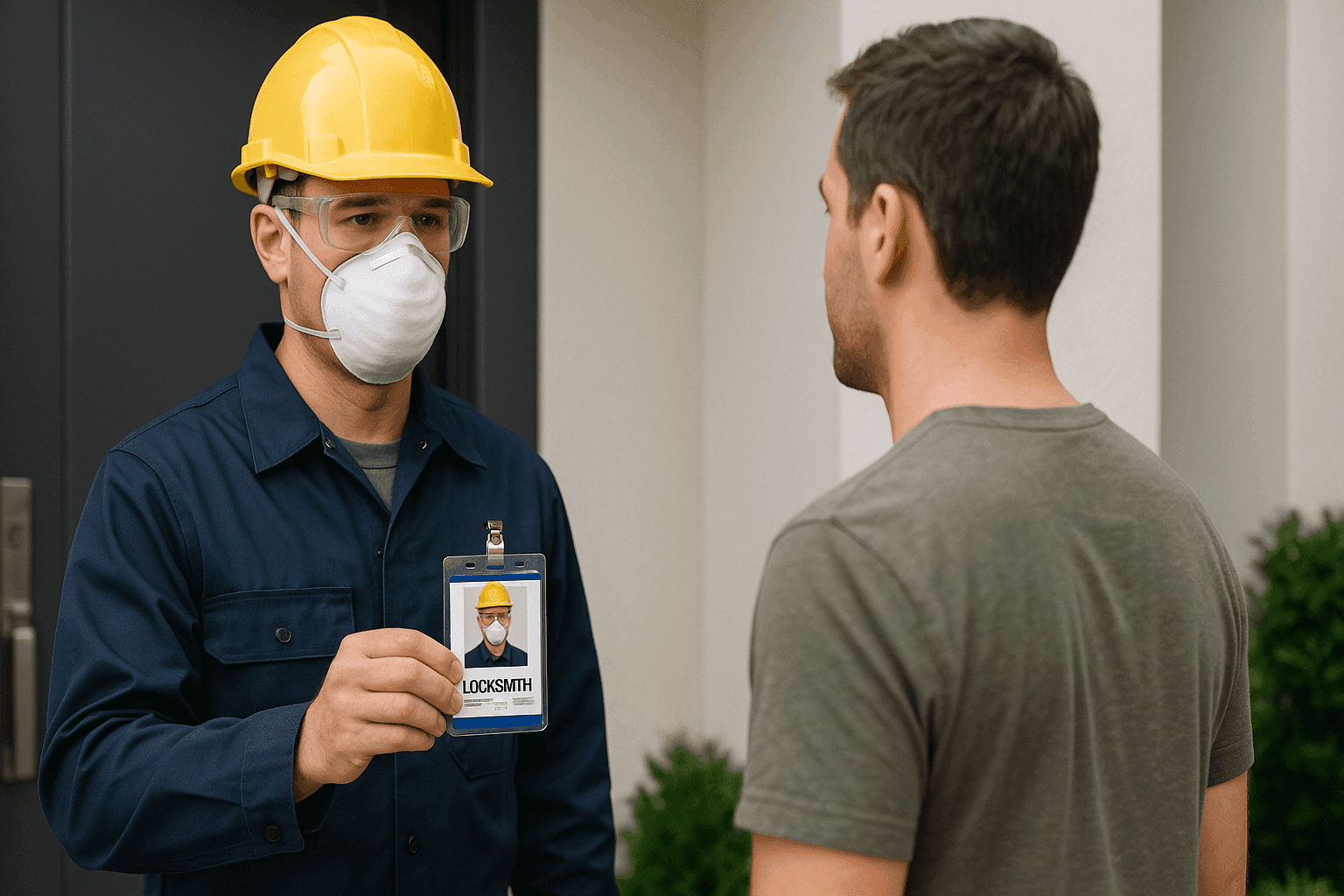
- Identification: Do they show a photo ID and branded uniform?
- Insurance: Are they insured for property damage and liability?
- Written Estimate: Can they give a clear, written quote upfront?
- Reviews: Do they have genuine, recent customer feedback?
- Marked Vehicle: Are they arriving in a branded van or car?
- Tools: Are their tools professional and well-kept?
- Physical Address: Does their business have a real street address?
These checks are your lock and key to safety. If something feels off, trust your instincts.
DIY vs. Call a Pro: When to Get Help
Some lock issues seem simple. Maybe a sticky house key or a squeaky door handle. But locks are intricate—one wrong move and you could turn a quick fix into a major headache.
DIY is fine for:
- Tightening a loose handle with a screwdriver.
- Lubricating a squeaky lock with a graphite-based spray.
- Replacing a mailbox or cabinet lock (if you’re confident).
Call a pro for:
- Lost car keys near you (especially for modern vehicles with transponders).
- Lockouts—house, car, or office.
- Lock replacement after a move or burglary.
- Security upgrades, like control access systems or master key systems.
- Upvc door and window installations.
- Safe services or rekeying.
- Commercial lock repair and replacement.
- Emergency boarding up after damage.
If in doubt, call. A good locksmith can save you time, money, and stress.
What Pros Do On Arrival
A professional locksmith isn’t just someone with tools—they’re problem solvers. Here’s what you should expect when a reputable locksmith, like 1st Avenue Locksmiths, arrives:
- Verification: They’ll confirm your identity and right to access the property.
- Assessment: Quick, quiet evaluation of the problem—no guesswork.
- Estimate: Clear explanation of what’s needed and the cost.
- Work: Using the right tools, they’ll get you back in—causing minimal or no damage.
- Aftercare: Advice on future prevention, or recommendations for security upgrades.
With auto locksmith services, expect additional steps like on-site car key programming or ignition repair. For businesses, commercial locksmiths can offer access control solutions and master key systems tailored to your needs.
Prevention & Maintenance
Locks and keys are like shoes—they wear out. Ignore them, and you might find yourself stranded on the wrong side of your own front door.
Tips for keeping secure:
- Regularly check and lubricate all locks (doors, windows, postboxes, cabinets).
- Replace or rekey locks after moving or losing keys.
- Consider security upgrades for older properties, like anti-snap cylinders or smart access.
- Schedule yearly inspections for commercial sites—especially those with high staff turnover.
- If you notice a lock is “catching” or keys bend, call for repair before it fails.
The British Standards Institute (BSI) recommends using BS3621 or TS007-rated locks for external doors—ask your locksmith for these options.
Costs & Time Factors: What to Expect
Locksmith prices can feel like a mystery box. But knowing what affects the bill helps you avoid sticker shock.
Factors that influence cost:
- Type of service: Lost car keys, emergency lockouts, rekeying, or lock replacement all differ.
- Time of day: Out-of-hours (late nights, weekends) usually cost more.
- Complexity: High-security locks, safes, or electronic systems take more time and skill.
- Parts needed: Some repairs require new parts, others just labor.
Time on site:
- Simple lockouts: 10–30 minutes.
- Lost car keys: Up to 1–2 hours (especially with programming).
- Security upgrades or master key systems: Several hours.
Get a written estimate first. Avoid anyone who’s vague about pricing or offers suspiciously low quotes.
When It’s an Emergency 🚨
Emergencies are stressful—a jammed lock on a freezing night, a car key snapped in the ignition, a break-in with a damaged door. Here’s how to stay safe and get rapid help:
- Stay calm: Take a breath. Panic clouds judgment.
- Check for ID: Even in a rush, verify the locksmith’s credentials.
- Don’t force locks: You could worsen the damage.
- Secure the area: If your property has been compromised, don’t enter until it’s safe.
A 24/7 locksmith like 1st Avenue Locksmiths can handle everything from emergency boarding up to car lockouts, ignition repair, and burglary repairs—any time, any day.
Essential Questions to Ask Before Hiring
Don’t be shy. Your security is on the line. A genuine locksmith welcomes questions.
- Are you licensed and insured?
- Can you provide a written estimate before starting?
- Do you have experience with my type of lock/service?
- Will you arrive in a marked vehicle and uniform?
- How will you verify my identity?
- What payment methods do you accept?
If answers are vague, rushed, or defensive, walk away.
Red Flags to Watch For
Spotting trouble early saves headaches later. Watch out for:
- Unmarked vehicles or no ID.
- Vague or fluctuating pricing.
- Pushy “now or never” sales tactics.
- Reluctance to provide a business address.
- Demanding cash only, or “off the books” payment.
- Poor reviews or no online presence at all.
If something feels off, trust your gut. The right locksmith will never pressure you or hide details.
The Benefits of Choosing Established Professionals
An established locksmith is like a seasoned pilot—they’ve seen every type of turbulence. With 1st Avenue Locksmiths, you get:
- Decades of experience with all lock types.
- Full insurance and up-to-date training.
- Transparent pricing and clear communication.
- 24/7 emergency service for homes, cars, and businesses.
- Adherence to industry standards (like MLA, BSI, and local regulations).
- Ethical, legal, and respectful service—always.
Whether you need lost car keys near you or a complete commercial security upgrade, choose a provider who puts your safety first.
Residential vs. Commercial Locksmith Needs
Homes and businesses face different challenges. One size doesn’t fit all.
Residential:
- Focus on personal safety, family access, and preventing break-ins.
- Services: Lockouts, rekeying, lock replacement, house keys, window locks, boarding up, and safe services.
Commercial:
- Prioritize access control, staff changes, and compliance.
- Services: Master key systems, control access systems, commercial lock repair, emergency exit hardware, and high-security upgrades.
A good locksmith will tailor their approach—never cut corners.
FAQ
How can I tell if a locksmith is legitimate?
Ask for ID, licensing (if required), and check reviews. They should be transparent and arrive in a marked vehicle.
Is it expensive to get lost car keys replaced near me?
Costs vary by vehicle and key type—especially for modern transponders. Get a written estimate first.
Do locksmiths need my ID before unlocking my house or car?
Yes. Reputable locksmiths must verify you have a right to access the premises.
Will a locksmith damage my lock?
Most professionals use non-destructive methods. Sometimes, a lock must be drilled—but this is always a last resort and discussed beforehand.
Local and Seasonal Considerations 🕰️
Weather and local crime trends matter. In winter, locks freeze or seize up more often. After local break-ins, demand for security upgrades spikes. If you live in an older property, be aware that original locks may not meet modern safety codes (see BSI standards).
For businesses, periodic reviews of access systems are smart—especially after staff changes or local incidents.
Ready to feel secure? Call 1st Avenue Locksmiths now — or reach us anytime at 877-318-7945 .