Preventing Lock & Door Damage: Maintenance Tips for Homes & Businesses
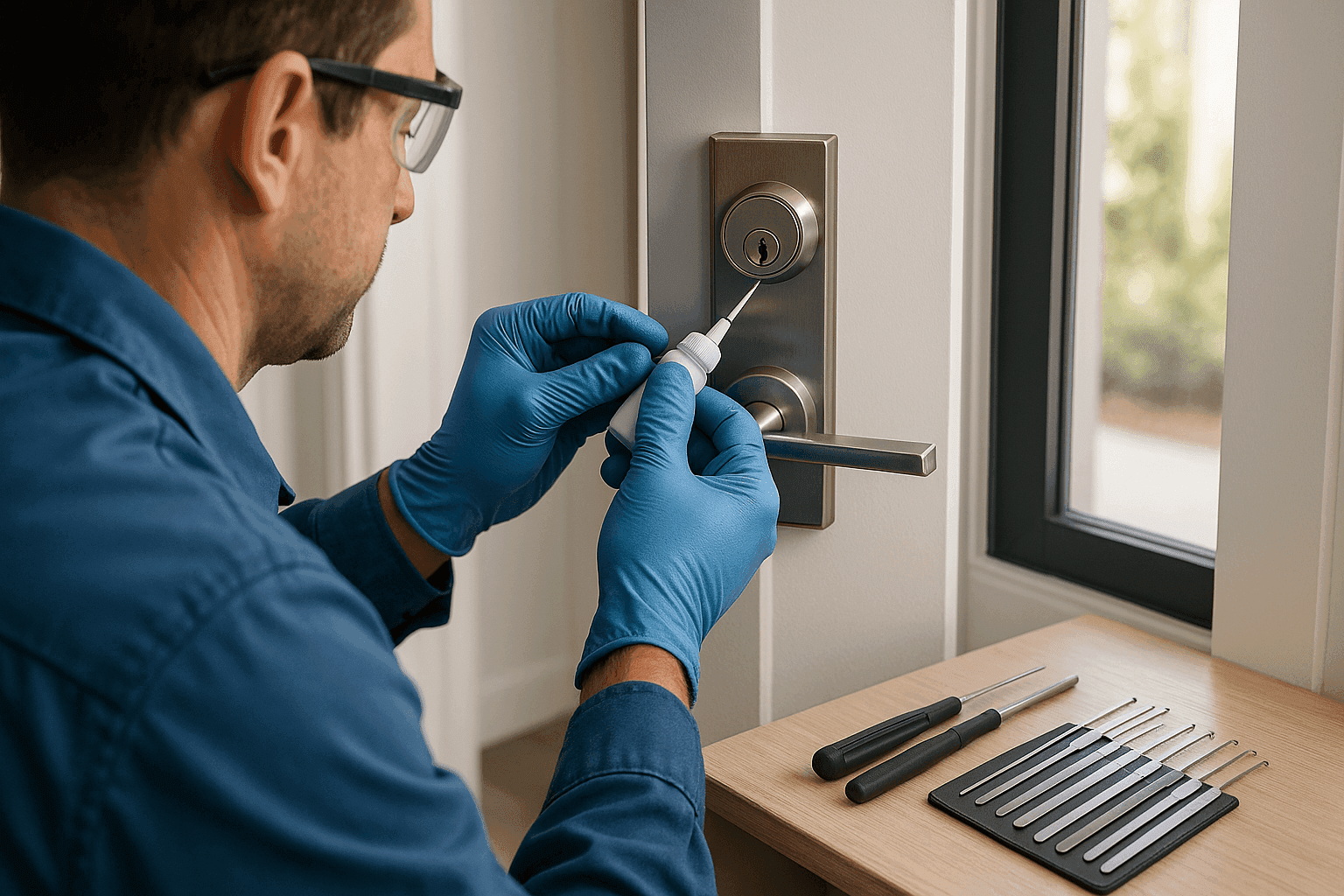
Ever wrestled with a stubborn lock when rushing out the door? Or heard that telltale rattle of a loose handle after a long day? Small issues like these seem harmless—until they leave you stranded or vulnerable. At 1st Avenue Locksmiths, we see the headaches that neglected locks and doors can cause. Let’s help you avoid them.
Locks and doors are your property’s first line of defense. Whether you’re protecting a family home or a busy storefront, a bit of regular love can save you from expensive repairs or urgent calls for a locksmith near you. Here’s how.
Why Locks & Doors Fail: The Hidden Dangers
Most lock and door problems don’t come out of nowhere. They build up, quietly, over months or even years. Here’s what’s working against you:
- Wear and Tear: Locks and hinges grind down with every turn or push. Metal parts can corrode, especially if exposed to moisture.
- Weather: Wood swells in damp or cold, making doors stick. Metal contracts in freezing temperatures. Even UPVC can warp under strong sun.
- Improper Use: Forcing a key, slamming doors, or hanging heavy items on handles can cause misalignment and damage.
- Poor Installation: If your lock or door wasn’t fitted by a skilled locksmith, problems are more likely to crop up.
Neglecting these issues isn’t just inconvenient—it can put your home or business at risk. According to the Master Locksmiths Association, faulty locks are a leading factor in successful break-ins. Insurers may even refuse claims if poor maintenance is to blame.
Quick Safety Checklist 🗝️
A minute spent inspecting today could save you hours tomorrow. Once a month, run through this list:
- Check for wobbly handles or loose screws
- Test all locks for smooth operation
- Inspect door frames for cracks or warping
- Look for rust or corrosion on metal
- Lubricate locks with graphite or silicone spray—avoid oil-based products
- Make sure keys aren’t bent or worn
- Examine weatherstripping and seals for gaps
- Test access control and electronic locks for battery life
If anything feels off, don’t ignore it.
DIY or Call a Locksmith? Knowing Your Limits
Some fixes are straightforward. Others need a professional’s touch. Here’s how to tell:
DIY-Friendly Tasks
- Tightening screws on handles and hinges
- Lightly lubricating locks (never overdo it)
- Cleaning debris from keyholes
- Replacing weatherstripping
- Testing batteries in electronic locks
Leave It to the Pros
- Rekeying or replacing locks
- Fixing warped doors or misaligned frames
- Repairing damage after a break-in
- Programming car keys (modern vehicles need specialist tools)
- Installing master key systems or access control
Trying complex repairs without the right tools can make things worse—and affect your insurance. For anything beyond the basics, a certified locksmith near you is the safe bet.
What 1st Avenue Locksmiths Do On Arrival
When you call for help, here’s what you can expect:
- Assessment: We check the lock or door, looking for obvious damage and hidden issues.
- Diagnosis: We explain what’s wrong—in plain English, not technical jargon.
- Action Plan: Sometimes it’s a quick fix; sometimes parts need replacement. We’ll let you know your options.
- Professional Repairs: Using the right tools and parts, we restore your security—often on the first visit.
- Advice: We’ll share tips for ongoing care to help you avoid repeat problems.
From lost car keys to damaged door frames, our team handles it all, day or night.
Prevention & Maintenance: Keeping Problems at Bay
Think of lock maintenance like brushing your teeth: a little effort, regularly, prevents big problems later. Here’s how to keep things running smoothly.
Seasonal Tips
- Before Winter: Lubricate locks to keep them turning smoothly in the cold. Check for swelling in wooden doors.
- Spring & Autumn: Inspect all hardware for signs of rust, especially after wet weather.
- Summer: Watch for warping or fading on UPVC and metal surfaces. Sunlight can weaken materials over time.
For Different Materials
- Wood: Treat with weatherproof sealant. Don’t ignore swelling—planing the door might be needed.
- UPVC: Avoid harsh cleaners. If the door sticks, adjustment of the hinges is often required.
- Metal: Keep hinges and locks dry and lubricated. Address rust immediately with a wire brush and rust-resistant paint.
Ongoing Habits
- Never force a key. If it’s sticky or tough to turn, address the problem early.
- Don’t hang heavy bags on door handles.
- Check that doors close flush—gaps invite drafts and thieves.
- For businesses, keep access control codes and key inventories up to date.
Costs & Time Factors: What to Expect
Every property is different, but here’s what typically affects the cost and timing of locksmith services:
- Type of Problem: Simple fixes (like tightening a loose handle) take minutes. Replacing a lock or repairing a door frame can take an hour or more.
- Parts Needed: New locks or electronic components cost more than basic repairs.
- Time of Day: Emergency callouts can add to the price, especially late at night or on holidays.
- Vehicle Security: Car key programming and ignition repairs require specialist equipment and take longer than a quick key cut.
Investing in regular maintenance often saves you money—unexpected emergencies are usually pricier and more disruptive.
When It’s an Emergency 🚨
Some situations just can’t wait:
- You’re locked out of your home, car, or business.
- There’s visible damage after a burglary or attempted break-in.
- A key has snapped off inside the lock.
- Electronic or access control systems have failed and you can’t secure the property.
- Doors won’t close or lock due to swelling, warping, or frame damage.
In these moments, don’t risk DIY—call a locksmith near you who offers 24/7 emergency service, like 1st Avenue Locksmiths.
Troubleshooting: Common Lock & Door Issues
Misaligned Frames
- Signs: Door rubs, sticks, or won’t close fully.
- DIY: Try tightening hinge screws.
- Professional Fix: Hinges may need to be reset, or the frame realigned.
Sticky Keys
- Signs: Key hard to insert or turn.
- DIY: Clean and lubricate the lock.
- Professional Fix: Lock may need to be dismantled and cleaned, or replaced if damaged.
Loose Handles
- Signs: Handle wobbles or rattles.
- DIY: Tighten visible screws.
- Professional Fix: If the handle is stripped or broken, replacement is needed.
Car Key Issues
- Signs: Key fob not working, ignition won’t turn, or lost car keys.
- DIY: Check battery in the fob.
- Professional Fix: Car key programming or ignition repair is a job for an auto locksmith with the right equipment.
FAQ: Your Lock & Door Questions Answered
How often should I lubricate my locks?
Twice a year is usually enough. Before winter and again in spring is a good rule of thumb.
Can I use WD-40 on my locks?
It’s not recommended. Stick to graphite powder or a silicone-based lubricant—WD-40 can attract dirt and gum up the mechanism.
Why does my key stick, even after cleaning?
The lock might be worn inside, or the key could be bent. If cleaning and light lubrication don’t help, a locksmith should inspect it.
Are smart locks more reliable than traditional locks?
Both have pros and cons. Smart locks add convenience but need regular battery checks and software updates. Traditional locks are simple but still need maintenance.
Local & Seasonal Considerations 🏠
In the UK, cold and damp winters can play havoc with wood and metal. Swollen doors and frozen locks are common calls for us at 1st Avenue Locksmiths. In summer, strong sunlight can warp UPVC, and sudden storms can expose weaknesses in old hardware. If your property is near the coast, salt air can corrode locks faster—more frequent checks are wise.
For businesses, insurance providers (see the Association of British Insurers guidelines) often require proof of regular maintenance and prompt repairs. Keeping up with these tasks isn’t just smart—it’s part of good stewardship for your property.
A little care goes a long way. Whether it’s lost car keys, a wobbly handle, or a door that just won’t close, 1st Avenue Locksmiths is here to help—day or night, rain or shine.
Call 1st Avenue Locksmiths now — or reach us anytime at 877-318-7945 .